- PICKLEBACKCLUB
- Posts
- Playing Well... Still Losing?
Playing Well... Still Losing?
Your court positioning might be the reason

PICKLEBACK CLUB
February 10, 2026
In partnership with

What do these names have in common?

Arnold Schwarzenegger
Codie Sanchez
Scott Galloway
Colin & Samir
Shaan Puri
Jay Shetty
They all run their businesses on beehiiv. Newsletters, websites, digital products, and more. beehiiv is the only platform you need to take your content business to the next level.
🚨Limited time offer: Get 30% off your first 3 months on beehiiv. Just use code PLATFORM30 at checkout.
Hey Picklebackers! 🏓✨
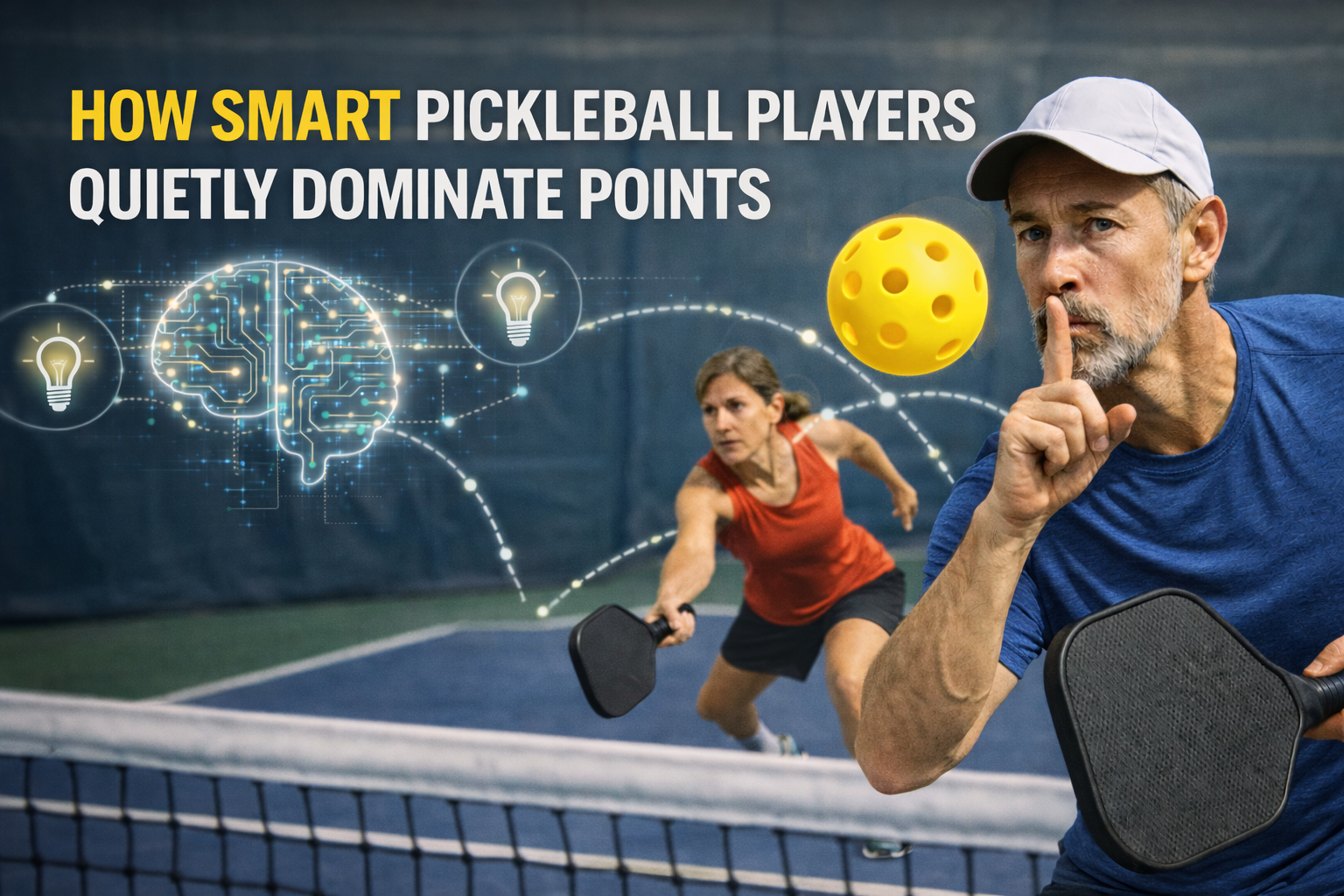
Most pickleball points aren’t lost because of bad shots—they’re lost because of bad standing. Where you position yourself before, during, and after each ball quietly determines how hard the game feels. In this issue, we’re uncovering the hidden battle happening under your feet—and why being in the right place matters more than hitting the perfect shot.
Most pickleball players spend a lot of time thinking about shots—drops, drives, dinks, speed-ups. But far fewer think deeply about where they are standing when they hit those shots. And yet, court positioning may be the most overlooked skill separating average players from winning ones.
At Picklebackclub, we love breaking down the subtle parts of the game. Court positioning isn’t flashy, but it quietly decides points long before the rally ends.
Why Positioning Matters More Than You Think
Pickleball happens fast. There’s little time to recover after a bad decision, and poor positioning turns even decent shots into liabilities.
Good positioning:
Buys you extra reaction time
Makes your opponents hit lower-percentage shots
Reduces the amount of court you have to cover
Turns defense into offense naturally
Bad positioning does the opposite—and often leaves you wondering why you “did everything right” and still lost the point.
The Biggest Positioning Mistake: No-Man’s Land
If pickleball had a danger zone, it would be the area between the baseline and the kitchen line—commonly called no-man’s land.
From here:
You can’t volley effectively
Low balls force pop-ups
Hard shots come at your feet
Reaction time disappears
Yet players drift into this area constantly, especially after a third-shot drive or a rushed approach.
Smart rule: Either be back or be fully up—never stuck in between.
Baseline Positioning: Defense First
When you’re at the baseline, your primary job is survival and setup.
Key baseline principles:
Stay balanced and slightly behind the baseline
Expect the return to come back fast
Avoid creeping forward until the ball allows it
Aim high over the net on drops and resets
Trying to rush the net from a bad ball almost always leads to trouble. Good baseline positioning sets up a clean transition instead of a desperate one.
Transition Zone: Move With the Ball
When moving forward, timing matters more than speed.
Smart transition movement means:
Advancing only after hitting a quality shot
Pausing when the opponent makes contact
Splitting your steps to stay balanced
Resetting if the ball comes back low
Great players don’t sprint blindly to the kitchen—they arrive under control.
Kitchen Line Positioning: Small Steps, Big Advantage
Once at the kitchen line, positioning becomes subtle but critical.
Strong kitchen habits include:
Standing close enough to volley, not react
Keeping your paddle up and in front
Avoiding drifting backward unnecessarily
Sliding laterally instead of crossing feet
Being a step too far back gives your opponent angles. Being a step too far forward leads to foot faults. Precision matters here.
If You Could Be Earlier Than 85% of the Market?

Most read the move after it runs. The top 250K start before the bell.
Elite Trade Club turns noise into a five-minute plan—what’s moving, why it matters, and the stocks to watch now. Miss it and you chase.
Catch it and you decide.
By joining, you’ll receive Elite Trade Club emails and select partner insights. See Privacy Policy.
Doubles Positioning: Move as a Team
In doubles, individual positioning means nothing without partner awareness.
Common errors include:
One player up, one player back
Leaving the middle exposed
Failing to shift together on crosscourt dinks
Elite teams move like they’re connected by a rope—when one shifts, the other mirrors.
Middle responsibility should be clear, especially on high balls and speed-ups. Confusion costs points.
The Power of the Middle
One of the smartest positioning strategies is owning the middle of the court.
Why the middle works:
It reduces passing angles
It forces partner communication
It creates indecision
It limits sharp crosscourt shots
Players hugging the sidelines often give up more court than they realize. Slightly cheating toward the middle pays off more often than not.
Anticipation Starts With Positioning
Good positioning allows you to anticipate instead of react.
When you’re in the right spot:
Speed-ups feel slower
Dinks look more predictable
Hands battles favor you
Errors decrease
If you feel rushed, late, or constantly stretched—it’s usually not your reflexes. It’s your positioning.
Simple Fixes That Pay Immediate Dividends
If you want fast improvement, start here:
Freeze after every shot and ask, “Am I in the right place?”
Watch higher-level games and track player movement, not shots
Communicate with your partner before points
Prioritize balance over hustle
You don’t need new shots to win more points—you need better placement of yourself.
Be Where the Ball Is Going, Not Where It Was
Pickleball rewards players who think one shot ahead. Positioning is anticipation in physical form.
Stand in the right place, and the game feels easier. Stand in the wrong place, and every rally feels like a scramble.
Master court positioning, and you’ll win more points without swinging any harder—exactly the kind of edge Picklebackclub players love. 🏓
The next time you play, don’t just focus on the ball—focus on you. Pause after each shot, notice where you land, and start thinking one step ahead. Positioning doesn’t demand power or perfection—just awareness. And once you dial it in, the game suddenly feels a whole lot easier.
See you at the kitchen line. 🏓
Dill-lighfully yours,
Your PICKLEBACKCLUB Team 🥒🎾
Smarter news. Fewer yawns
Business news takes itself way too seriously.
Morning Brew doesn’t.
Morning Brew delivers a smart, skimmable email newsletter on the day’s must-know business news — plus games that make sticking around a little more fun. Think crosswords, quizzes, and quick breaks that turn staying informed into something you actually look forward to.
Join over 4 million professionals reading Morning Brew for free. And walk away knowing more than you did five minutes ago.